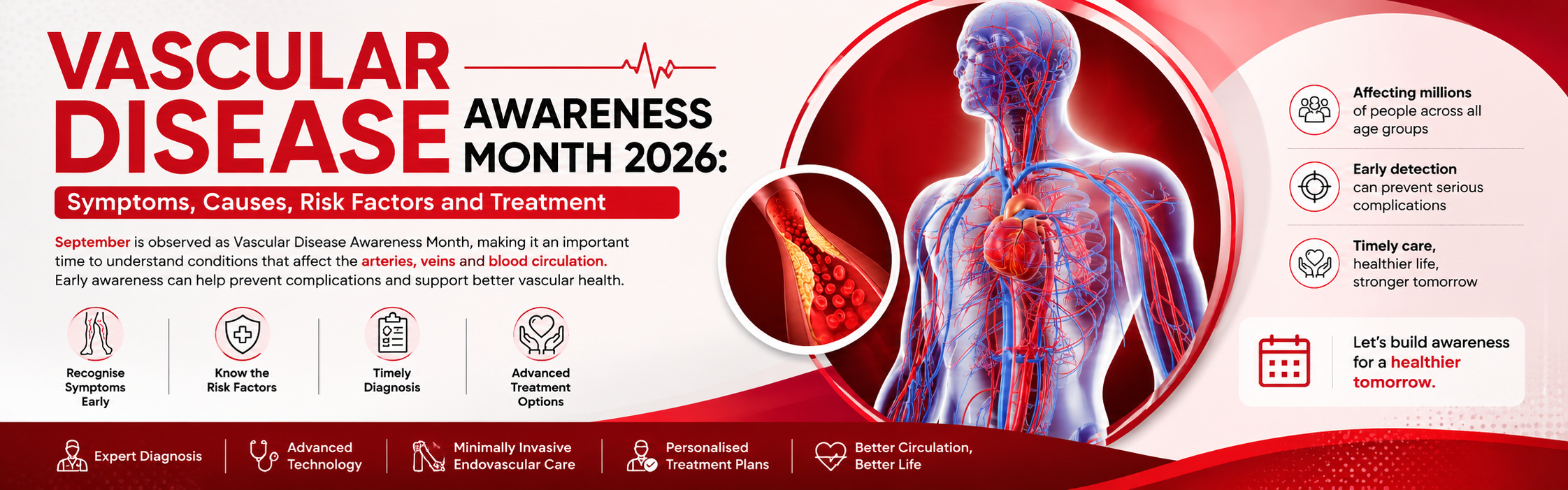
September is observed as Vascular Disease Awareness Month, making it an important time to understand conditions that affect the arteries, veins and blood circulation. Vascular diseases can affect people of different age groups, particularly those with risk factors such as diabetes, high blood pressure, high cholesterol, smoking and obesity.
Recognising symptoms early and seeking appropriate medical evaluation can help prevent complications and support better vascular health.
What Is Vascular Disease?
Vascular disease refers to conditions that affect the body’s blood vessels, including arteries and veins. These conditions can interfere with normal blood circulation and may affect the legs, feet, abdomen, brain and other parts of the body.
Some common vascular conditions include:
- Peripheral Arterial Disease (PAD)
- Varicose veins
- Deep Vein Thrombosis (DVT)
- Diabetic foot and gangrene
- Aortic aneurysms
- Carotid artery disease
- Arterial blockages
- Other venous and arterial disorders
Early diagnosis is particularly important because some vascular conditions may progress gradually and cause serious complications if left untreated.
Common Symptoms of Vascular Disease
Symptoms can vary depending on the condition and the blood vessels involved. Some warning signs that should not be ignored include:
1. Leg Pain While Walking
Pain, cramping or heaviness in the legs during walking that improves with rest can sometimes be associated with reduced arterial blood flow, particularly in peripheral arterial disease.
2. Persistent Leg Swelling
Swelling in one or both legs may have several causes. In some cases, it can be related to a venous disorder such as DVT or chronic venous insufficiency and requires medical assessment.
3. Varicose Veins
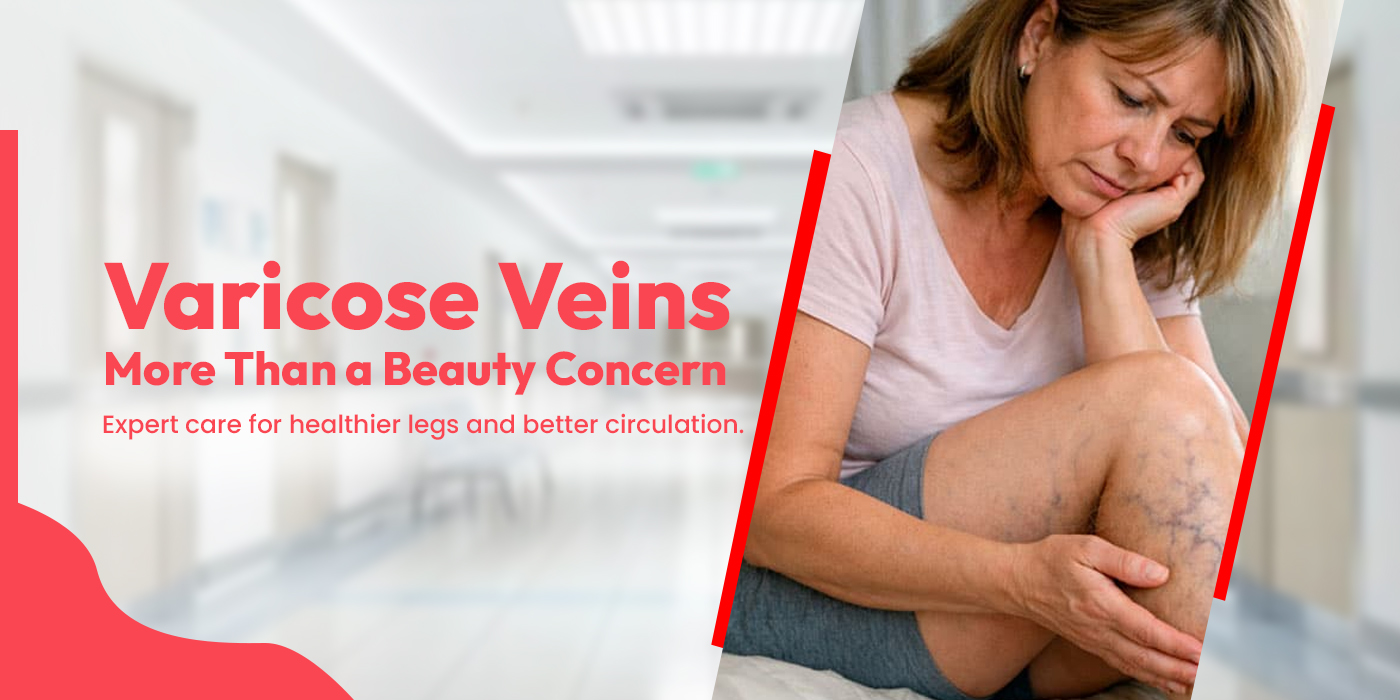
Bulging, twisted or prominent veins in the legs may indicate problems with the functioning of the veins and should be evaluated when associated with pain, swelling or skin changes.
4. Non-Healing Wounds
A wound on the foot or leg that does not heal properly, particularly in someone with diabetes, may indicate inadequate blood circulation.
5. Changes in Skin Colour or Temperature
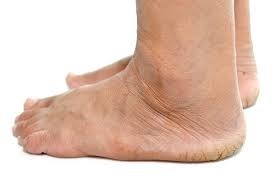
Unusual paleness, bluish discoloration, unusually cold feet or other changes in the appearance of a limb can sometimes indicate a circulation problem.
6. Numbness or Weakness
Persistent numbness, tingling or weakness in the legs or feet can have multiple causes, including vascular problems, and should be evaluated when persistent or accompanied by other symptoms.
What Causes Vascular Disease?
Several factors can increase the risk of vascular disease. These include:
- Diabetes
- Smoking or tobacco use
- High blood pressure
- High cholesterol
- Obesity
- Physical inactivity
- Increasing age
- Family history of vascular disease
- Previous cardiovascular disease
Managing these risk factors through appropriate medical care and healthy lifestyle choices can contribute to better vascular health.
How Is Vascular Disease Diagnosed?
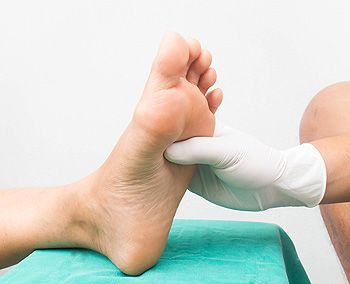
A vascular specialist may begin with a detailed medical history and physical examination. Depending on the suspected condition, diagnostic tests may include:
- Doppler or duplex ultrasound
- Ankle-Brachial Index (ABI)
- CT angiography
- MR angiography
- Other specialised vascular investigations
The appropriate test depends on the patient’s symptoms and clinical findings.
How Is Vascular Disease Treated?
Treatment depends on the type and severity of the vascular condition.
Depending on the diagnosis, management may include:
- Lifestyle modification
- Control of diabetes, blood pressure and cholesterol
- Medicines
- Compression therapy for selected venous conditions
- Minimally invasive endovascular procedures
- Angioplasty and stenting
- Surgical bypass or other vascular surgery when required
Modern vascular care increasingly includes minimally invasive endovascular techniques, which may provide suitable treatment options for selected patients.
Meet Dr. Tapish Sahu – Vascular & Endovascular Surgeon in Delhi
Dr. Tapish Sahu is Associate Director & Head – Vascular & Endovascular Surgery at Max Smart Super Speciality Hospital, Saket, New Delhi, with 15+ years of experience in the field of vascular and endovascular surgery.
With extensive experience in diagnosing and treating complex arterial and venous conditions, his clinical practice focuses on:
- Varicose veins
- Peripheral arterial disease
- Diabetic foot and gangrene
- Deep Vein Thrombosis (DVT)
- Aortic aneurysms
- Arterial blockages
- Venous disorders
- Other vascular conditions
Dr. Tapish Sahu’s approach combines careful vascular evaluation, evidence-based treatment planning, minimally invasive endovascular techniques, and conventional surgery when required.
With over 15 years of experience, Dr. Tapish Sahu has expertise in managing a wide range of vascular conditions and helping patients receive appropriate treatment based on their individual clinical needs.
For patients searching online for the best vascular surgeon in India, the priority should be finding a qualified and experienced specialist who can accurately diagnose the condition and recommend an evidence-based treatment plan suited to the individual patient’s needs.
How Do I Choose the Best Vascular Surgeon in India?
Choosing a vascular specialist is an important healthcare decision. Patients should consider:
Relevant qualifications: Look for a qualified vascular and endovascular specialist.
Experience with your condition: Different vascular conditions may require different approaches, so experience in treating the specific problem is important.
Diagnostic facilities: Appropriate vascular imaging and diagnostic facilities can support accurate evaluation.
Treatment expertise: A specialist should be familiar with both minimally invasive endovascular procedures and conventional surgical options where appropriate.
Patient-focused care: Good vascular care involves understanding the patient’s symptoms, medical history and individual treatment needs before recommending a procedure.
Rather than choosing a specialist based only on an online ranking or the phrase “best vascular surgeon in India,” patients should consider qualifications, relevant clinical expertise, treatment options and the quality of evaluation provided.
Why Vascular Disease Awareness Matters
Vascular diseases can sometimes develop without obvious symptoms in their early stages. By the time significant symptoms appear, the underlying condition may have progressed.
Vascular Disease Awareness Month 2026 provides an opportunity to understand the warning signs, identify risk factors and encourage timely medical evaluation.
If you have persistent leg pain while walking, unexplained swelling, varicose veins, a non-healing wound, changes in limb colour or temperature, or other concerns related to circulation, consult a qualified vascular specialist.
Conclusion
Vascular diseases should not be ignored simply because symptoms initially appear mild. Problems such as persistent leg swelling, walking-related pain, varicose veins, non-healing wounds, or sudden changes in limb circulation can sometimes indicate an underlying vascular disorder.
With advances in vascular and endovascular surgery, many conditions can now be diagnosed and treated using less invasive techniques when appropriate. Early evaluation can help identify the problem and determine the most suitable treatment before complications develop.
If you are looking for a vascular surgeon in Delhi or seeking expert vascular care in India, Dr. Tapish Sahu, Associate Director & Head – Vascular & Endovascular Surgery at Max Smart Super Speciality Hospital, Saket, New Delhi, brings 15+ years of experience in the diagnosis and treatment of a wide range of arterial and venous conditions.
Medical Disclaimer
This content is intended for general educational purposes and does not replace an in-person medical consultation. Treatment options vary from patient to patient and should be determined after appropriate clinical evaluation and diagnostic testing.