
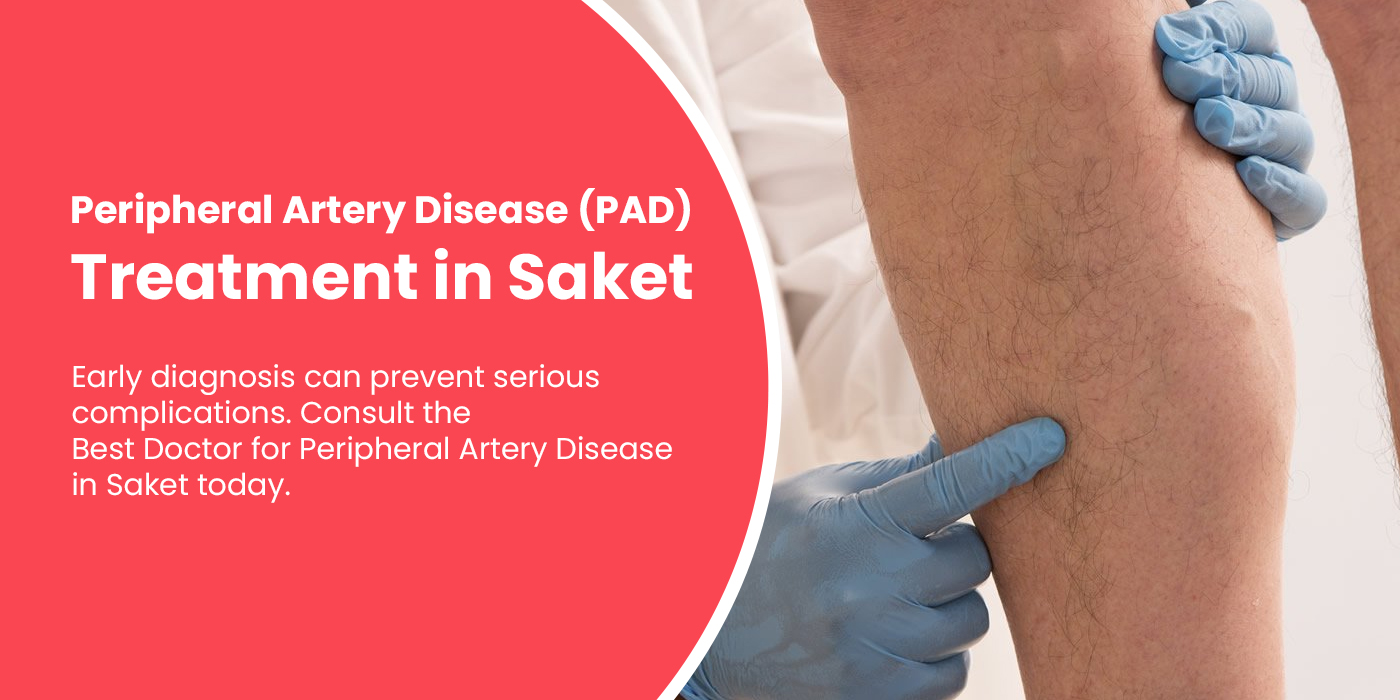
Peripheral Artery Disease (PAD): Symptoms, Causes & Treatment by the Best Doctor for Peripheral Artery Disease in Saket
Peripheral Artery Disease (PAD) is a common yet often overlooked condition that affects blood flow to your limbs, especially the legs. Many people ignore early warning signs like leg pain or numbness, assuming it’s just fatigue or aging. However, untreated PAD can lead to serious complications.
If you’re experiencing symptoms, consulting the Best doctor for peripheral artery disease in Saket can help you get early diagnosis and effective treatment. For expert vascular care, you can also consult Dr. Tapish Sahu, an accomplished Peripheral Vascular Surgeon at Max Hospital saket , who specializes in treating diseases related to arteries and veins with advanced techniques.
Early medical guidance can make a significant difference in preventing complications and improving quality of life.
What is Peripheral Artery Disease (PAD)?
PAD occurs when arteries become narrowed due to plaque buildup (atherosclerosis), reducing blood flow to the limbs. This restricted circulation can cause pain, mobility issues, and even tissue damage in severe cases.
Common Symptoms of PAD
Recognizing symptoms early can prevent complications. Look out for:
- Pain or cramping in legs while walking (claudication)
- Numbness or weakness in legs
- Coldness in lower leg or foot
- Slow-healing wounds on toes or feet
- Change in skin color (pale or bluish)
- Hair loss or slow nail growth on legs
Causes & Risk Factors
PAD is mainly caused by atherosclerosis, but several factors increase your risk:
- Smoking
- Diabetes
- High blood pressure
- High cholesterol
- Obesity
- Sedentary lifestyle
- Aging (especially above 50)
Managing these risk factors plays a key role in prevention and treatment.
Why Early Diagnosis Matters
PAD doesn’t just affect your legs—it can also signal a higher risk of heart attack and stroke. Early diagnosis allows:
- Better symptom management
- Prevention of complications
- Improved quality of life
A vascular specialist can diagnose PAD using tests like Ankle-Brachial Index (ABI), Doppler ultrasound, or angiography.
Best Treatment Options for PAD
1. Lifestyle Changes
- Quit smoking
- Regular walking exercise
- Healthy diet (low fat, high fiber)
- Weight management
2. Medications
Doctors may prescribe medications to:
- Improve blood flow
- Control cholesterol
- Manage blood pressure
- Prevent blood clots
3. Minimally Invasive Procedures
- Angioplasty (opening blocked arteries)
- Stent placement
4. Surgical Treatments
In severe cases:
- Bypass surgery to restore blood flow
For personalized care, consult the Best doctor for peripheral artery disease in Saket, who can guide you toward the most suitable treatment plan.
Tips to Prevent PAD
- Stay physically active
- Control blood sugar levels
- Avoid tobacco use
- Maintain healthy cholesterol levels
- Go for regular health checkups
When to See a Doctor?
Seek medical attention if you notice:
- Persistent leg pain during walking
- Non-healing wounds on feet
- Sudden change in leg temperature or color
Early consultation with the Best doctor for peripheral artery disease in Saket can prevent serious complications like limb loss.
Conclusion
Peripheral Artery Disease is a progressive condition, but with early diagnosis and the right treatment approach, it can be effectively managed. Ignoring symptoms may lead to serious complications, including limb damage or cardiovascular issues.
For expert care, consulting the Best doctor for peripheral artery disease in Saket ensures timely diagnosis and advanced treatment options tailored to your needs.
For specialized vascular care, you can consult Dr. Tapish Sahu, an accomplished Peripheral Vascular Surgeon based in Delhi at Max Hospital Saket. He specializes in treating diseases related to arteries and veins with advanced and patient-centric approaches.
Frequently Asked Questions (FAQs)
1. Is Peripheral Artery Disease serious?
Yes, PAD can become serious if left untreated. It may lead to infections, tissue damage, or even amputation in severe cases.
2. Can PAD be cured completely?
PAD cannot always be completely cured, but it can be effectively managed with lifestyle changes, medications, and medical procedures.
3. Who is at highest risk for PAD?
People who smoke, have diabetes, high blood pressure, or high cholesterol, and those above 50 years are at higher risk.
4. What is the best exercise for PAD?
Walking is considered the best exercise. Regular supervised walking programs help improve blood circulation and reduce symptoms.
5. How is PAD diagnosed?
Doctors use tests like Ankle-Brachial Index (ABI), Doppler ultrasound, and angiography to diagnose PAD.
6. When should I consult a doctor for PAD?
If you experience leg pain while walking, numbness, or non-healing wounds, you should consult a specialist immediately.