Introduction: Best Vascular Surgeon in India Explains Why Some Wounds Don’t Heal
Best vascular surgeon in India often emphasize that wounds that fail to heal may indicate a deeper medical issue. While most cuts and injuries heal naturally within days or weeks, some wounds persist and worsen over time.
According to vascular experts like Dr. Tapish Sahu, poor blood circulation is one of the most common reasons wounds do not heal properly.
Blood carries oxygen, nutrients, and immune cells to damaged tissues. When blood flow is restricted due to vascular diseases, the body cannot repair itself efficiently. This can result in chronic wounds that become painful, infected, and potentially dangerous.
Understanding the connection between blood flow and wound healing can help prevent serious complications like infections, gangrene, or even limb loss.
Understanding Non-Healing Wounds
A non-healing wound is a wound that does not heal within 4–6 weeks despite proper care.
These wounds are medically known as chronic wounds.
Common Types of Chronic Wounds
Some of the most frequent types include:
- Diabetic foot ulcers
- Venous leg ulcers
- Arterial ulcers
- Pressure ulcers (bed sores)
These wounds often occur due to underlying vascular problems, nerve damage, or long-term pressure on certain areas of the body.
Signs a Wound Is Not Healing Properly
Watch for these warning signs:
- Persistent redness and swelling
- Increasing pain
- Foul smell from the wound
- Pus or discharge
- Dark or black skin around the wound
- No improvement after several weeks
If these symptoms appear, medical evaluation is crucial.
The Role of Blood Circulation in Healing
Healing is a complex biological process that depends heavily on healthy blood circulation.
When the skin is injured, the body begins a repair process that includes:
- Stopping bleeding
- Fighting infection
- Rebuilding damaged tissue
- Restoring the skin barrier
All these steps require oxygen and nutrients delivered through blood vessels.
What Happens When Blood Flow Is Poor
When circulation is restricted:
- Oxygen cannot reach the wound
- Nutrients are reduced
- Waste products build up
- Infection risk increases
This is why vascular specialists stress that a persistent wound could be a circulatory problem rather than just a skin issue.
Medical Conditions That Reduce Blood Flow
Several diseases can limit blood circulation and slow wound healing.
Peripheral Artery Disease (PAD)
PAD occurs when arteries narrow due to plaque buildup, reducing blood flow to the legs and feet.
Common symptoms include:
- Leg pain while walking
- Cold or numb feet
- Slow-healing wounds
Diabetes
Diabetes damages both blood vessels and nerves, making wounds difficult to detect and heal.
Venous Insufficiency
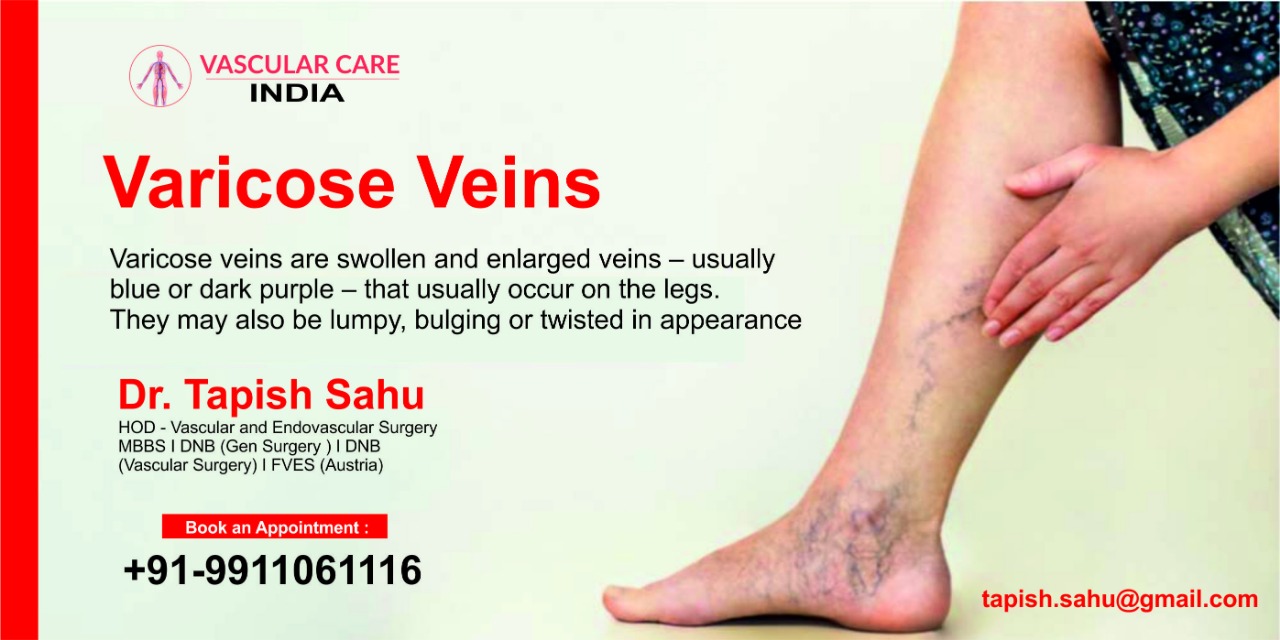
When veins fail to push blood back toward the heart efficiently, blood pools in the legs, causing swelling and ulcers.
Smoking
Smoking damages blood vessels and reduces oxygen levels in the bloodstream, dramatically affecting healing ability.
Warning Signs That a Wound May Be Caused by Poor Circulation
Recognizing the early signs of circulation problems can prevent serious complications.
Key warning signs include:
- Wounds that stay open for more than 2–3 weeks
- Skin turning blue, purple, or black
- Cold feet or numbness
- Severe pain while walking
- Weak pulse in the feet
Experts such as Dr. Tapish Sahu advise patients to seek medical attention immediately if these symptoms appear.
Diagnosis of Circulation Problems
Doctors use several advanced tests to evaluate blood flow in the body.
Common Diagnostic Tests
| Test | Purpose |
| Doppler Ultrasound | Measures blood flow in arteries |
| Ankle-Brachial Index (ABI) | Compares blood pressure in arms and legs |
| Angiography | Detects blocked arteries |
| CT / MRI Scan | Provides detailed images of blood vessels |
These diagnostic methods help identify blockages or narrowing in arteries.
Treatment Options for Non-Healing Wounds
Treatment focuses on improving blood flow and promoting wound healing.
1. Advanced Wound Care
Specialized wound care includes:
- Cleaning and dressing the wound
- Removing dead tissue
- Preventing infection
2. Medications
Doctors may prescribe medications such as:
- Blood thinners
- Antibiotics
- Drugs that improve circulation
3. Minimally Invasive Vascular Procedures
If arteries are blocked, doctors may perform procedures like:
- Angioplasty
- Stent placement
These treatments restore blood flow and significantly improve healing.
Expert Insights from Dr. Tapish Sahu – Best Vascular Surgeon in India
Many patients ignore wounds until they become severe. However, early treatment can prevent life-threatening complications.
According to Dr. Tapish Sahu, one of the best vascular surgeon in India, timely diagnosis and proper vascular care can dramatically improve outcomes.
His approach focuses on:
- Early detection of circulation problems
- Advanced minimally invasive treatments
- Comprehensive wound management
- Patient education and lifestyle improvements
Consulting a vascular specialist early can help avoid major surgeries or amputations.
Preventing Chronic Wounds
Prevention plays a crucial role in maintaining vascular health.
Simple Prevention Tips
- Monitor blood sugar levels regularly
- Inspect your feet daily (especially for diabetic patients)
- Wear comfortable footwear
- Avoid smoking
- Maintain a healthy diet
- Stay physically active
These habits can significantly reduce the risk of chronic wounds.
When to Seek Medical Help
Consult a vascular specialist if:
- A wound does not heal within 2–3 weeks
- Pain increases over time
- The wound shows signs of infection
- Skin becomes dark or discolored around the wound
Early medical care can prevent severe complications.
Conclusion
Chronic wounds are often a sign of a deeper health issue. If a wound refuses to heal, the root cause may be poor circulation. Consulting a specialist is essential for early diagnosis and effective treatment.
Experts like Dr. Tapish Sahu, recognized by many as one of the best vascular surgeon in India, emphasize the importance of early vascular evaluation and proper wound care.
If you notice a wound that is not healing, seek expert medical advice immediately. Proper treatment can restore blood flow, promote healing, and protect your overall health — something every best vascular surgeon in India strongly recommends.