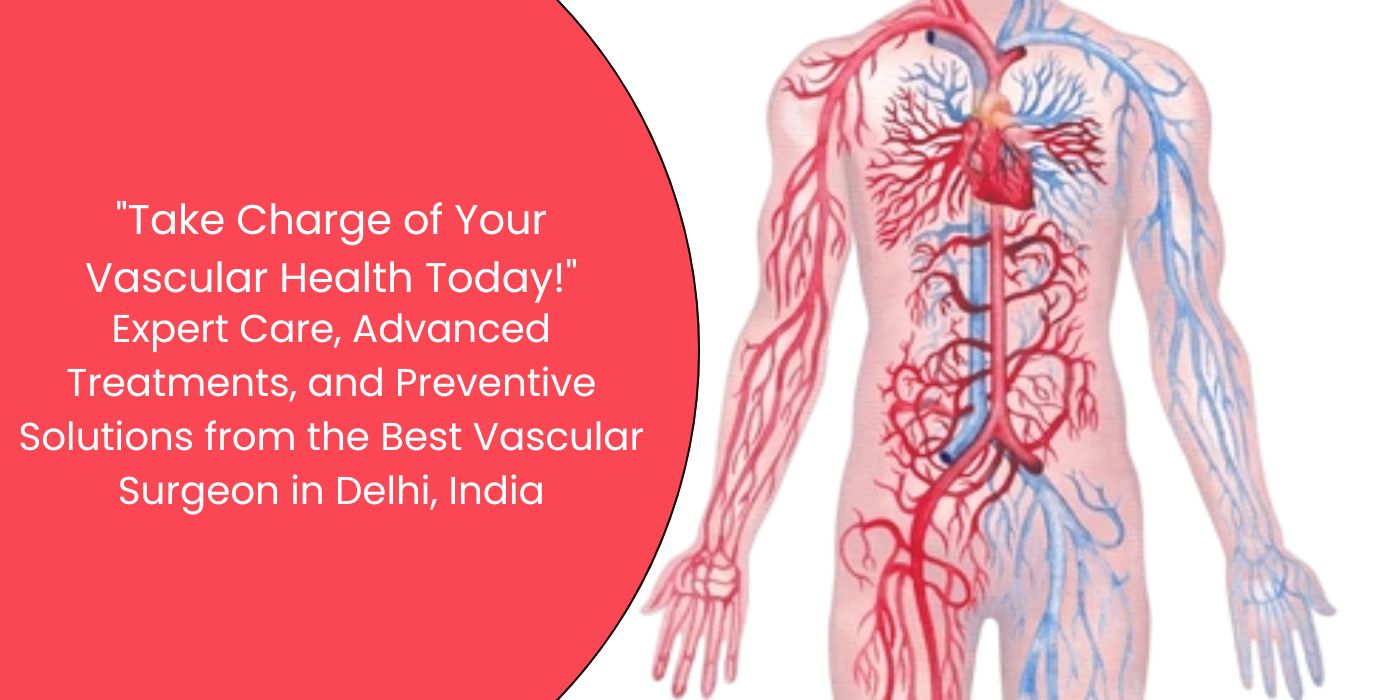
Vascular diseases can affect the arteries and veins responsible for delivering oxygen-rich blood throughout the body and returning blood to the heart. From varicose veins and deep vein thrombosis to peripheral artery disease, diabetic foot, and aortic aneurysms, vascular conditions can range from mild and manageable to potentially limb- or life-threatening.
Choosing the right specialist is therefore an important part of treatment. Dr. Tapish Sahu, Associate Director & Head – Vascular & Endovascular Surgery at Max Smart Super Speciality Hospital, Saket, New Delhi, is an experienced vascular and endovascular surgeon who focuses on modern, minimally invasive and surgical approaches for complex vascular conditions.
For patients searching for the best vascular surgeon in India, understanding the diseases a vascular surgeon treats and the available treatment options can help in making a more informed healthcare decision.
What Is a Vascular Surgeon?
A vascular surgeon is a specialist who diagnoses and treats diseases affecting the body’s blood vessels, including arteries and veins. Vascular surgeons manage conditions that interfere with normal blood circulation and may use medication, lifestyle interventions, minimally invasive endovascular procedures, or open surgery depending on the patient’s condition.
Modern vascular care increasingly focuses on preserving blood flow, reducing complications, shortening recovery time, and saving limbs whenever possible.
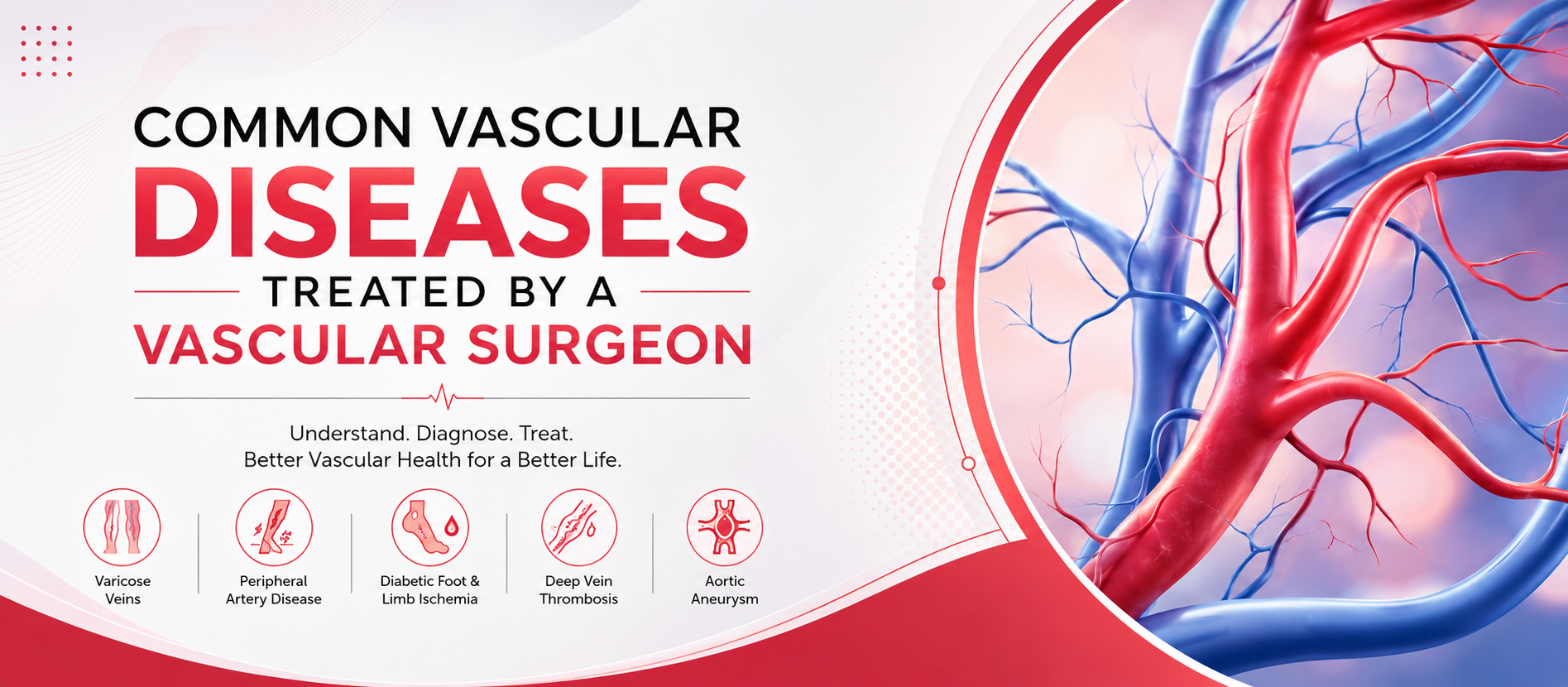
Common Vascular Diseases Treated by a Vascular Surgeon
1. Varicose Veins
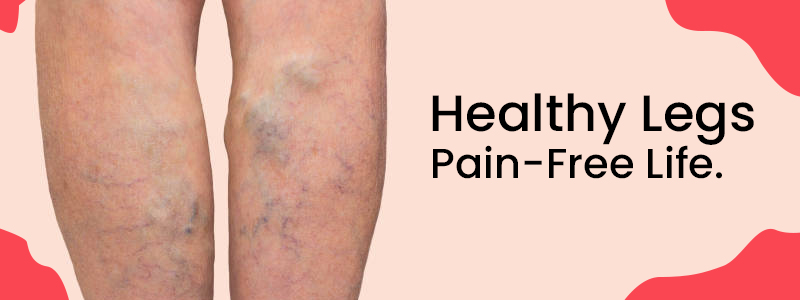
Varicose veins are enlarged and twisted veins, usually visible on the legs. They develop when the valves inside the veins do not work efficiently, causing blood to pool in the lower limbs.
Some people experience only cosmetic concerns, while others develop significant symptoms.
Common symptoms include:
- Bulging or twisted veins
- Aching or heaviness in the legs
- Swelling around the ankles
- Burning or itching
- Leg cramps
- Skin discoloration
- Venous ulcers in advanced cases
Depending on the underlying venous problem, treatment may include compression therapy, sclerotherapy, endovenous laser treatment, radiofrequency ablation, or other minimally invasive procedures.
A detailed vascular assessment is important because treating the visible veins without addressing the underlying venous reflux may not provide the desired long-term result.
2. Peripheral Artery Disease
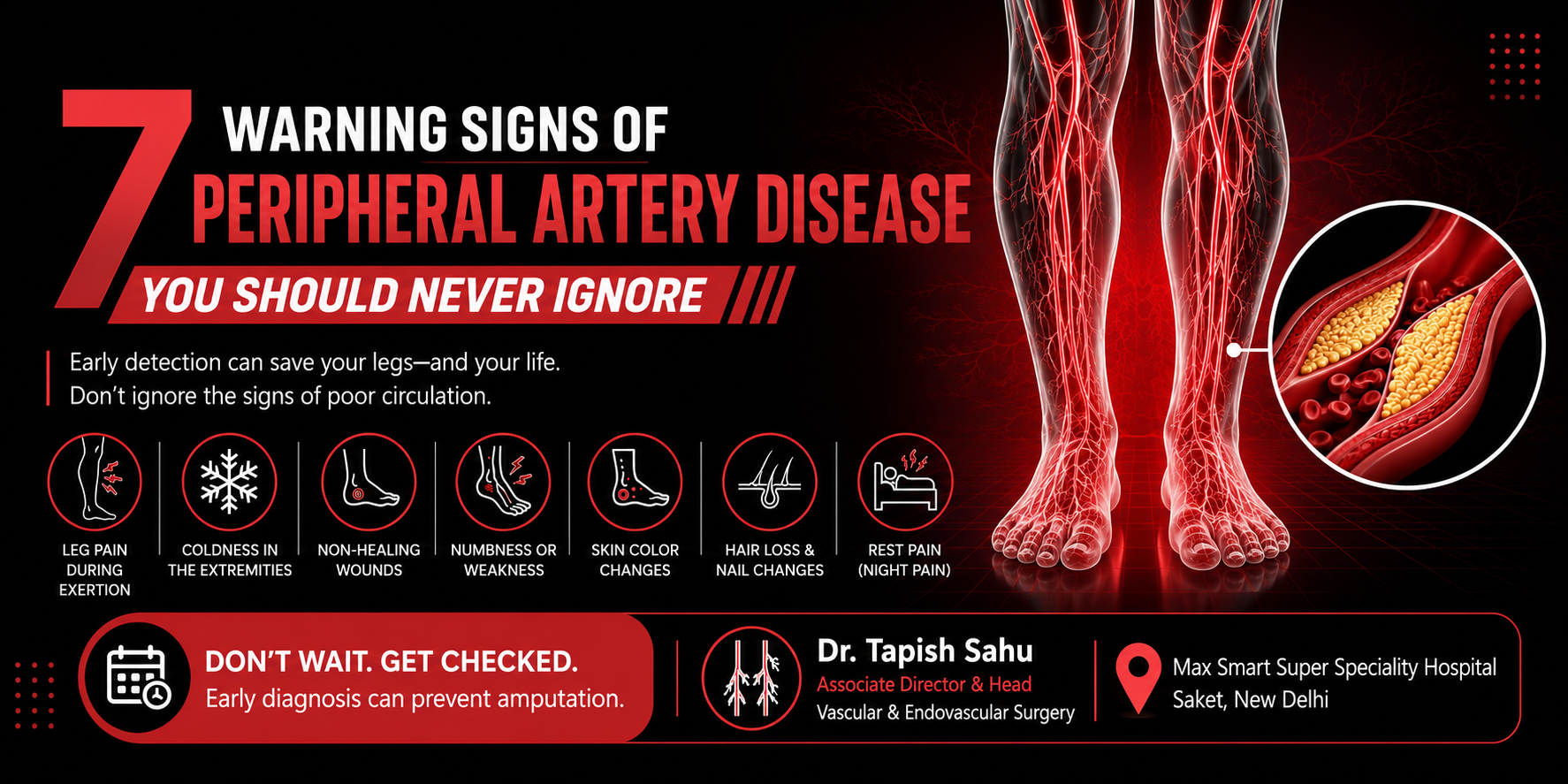
Peripheral artery disease (PAD) occurs when arteries supplying the legs become narrowed or blocked, most commonly because of atherosclerosis.
It is particularly important to recognize PAD in people with diabetes, smoking history, high cholesterol, hypertension, or other cardiovascular risk factors.
One of the classic symptoms is pain or cramping in the legs while walking that improves after resting.
As the disease progresses, patients may develop:
- Persistent leg or foot pain
- Cold feet
- Changes in skin colour
- Weak or absent pulses
- Non-healing wounds
- Foot ulcers
- Tissue death or gangrene
Treatment depends on the severity of arterial blockage and the patient’s overall health. It may include medication and risk-factor control, angioplasty, stenting, or bypass surgery in selected cases.
Early diagnosis can be particularly important for patients with threatened limbs.
3. Diabetic Foot and Limb-Threatening Ischemia
Diabetes can significantly increase the risk of vascular complications. High blood sugar can contribute to nerve damage and blood vessel disease, while reduced sensation may allow minor foot injuries to go unnoticed.
When poor arterial circulation is also present, wounds may struggle to heal.
A diabetic foot problem can progress from a small wound to infection, tissue loss, or gangrene if not treated promptly.
Vascular specialists may evaluate blood circulation and determine whether restoring blood flow could support wound healing and limb preservation.
Depending on the individual case, treatment may involve:
- Assessment of arterial blood flow
- Wound management
- Infection control
- Angioplasty
- Vascular stenting
- Bypass surgery
- Multidisciplinary limb-salvage care
The objective is to restore adequate circulation, control the underlying problem, and preserve the limb whenever medically possible.
4. Deep Vein Thrombosis (DVT)
Deep vein thrombosis is a condition in which a blood clot develops in a deep vein, commonly in the leg.
DVT may cause:
- Swelling in one leg
- Pain or tenderness
- Warmth
- Red or discoloured skin
DVT requires appropriate medical evaluation because a clot can sometimes travel to the lungs and cause a potentially serious complication known as pulmonary embolism.
Treatment is determined according to the location and severity of the clot and the patient’s risk factors. Anticoagulation is commonly used, while selected patients with extensive or limb-threatening thrombosis may require catheter-based treatment.
5. Carotid Artery Disease
The carotid arteries carry blood to the brain. When plaque builds up within these arteries, the resulting narrowing is known as carotid artery disease.
The condition may remain silent until a transient ischemic attack (TIA) or stroke occurs.
Possible warning signs include:
- Sudden weakness or numbness
- Difficulty speaking
- Sudden vision changes
- Facial weakness
- Problems with balance or coordination
Depending on the degree of narrowing and the patient’s individual risk, treatment may include medication and lifestyle modification, carotid endarterectomy, or carotid artery stenting.
Because carotid disease is associated with stroke risk, timely assessment is important when symptoms or significant narrowing are present.
6. Aortic Aneurysm
The aorta is the largest artery in the human body. An aortic aneurysm occurs when a portion of the aorta becomes abnormally enlarged or weakened.
Aneurysms can occur in different parts of the aorta, including the abdominal and thoracic regions.
Many aneurysms do not produce obvious symptoms in their early stages. However, larger or rapidly expanding aneurysms may carry a risk of rupture.
Treatment depends on factors such as:
- Location of the aneurysm
- Size
- Growth rate
- Symptoms
- Patient’s age and overall health
- Anatomical suitability for endovascular treatment
For appropriately selected patients, endovascular aneurysm repair (EVAR) can provide a minimally invasive treatment option for certain abdominal aortic aneurysms.
7. Acute Limb Ischemia
Acute limb ischemia occurs when blood supply to an arm or leg is suddenly reduced or completely blocked. Unlike many chronic vascular conditions, this can develop rapidly and requires urgent medical attention.
Symptoms may include the sudden onset of:
- Severe limb pain
- Pale skin
- Coldness
- Numbness
- Weakness
- Reduced or absent pulse
Rapid diagnosis and restoration of blood flow may be necessary to prevent permanent tissue damage and possible limb loss.
8. Chronic Venous Insufficiency
Chronic venous insufficiency develops when veins in the legs have difficulty returning blood efficiently toward the heart.
The condition may cause:
- Persistent leg swelling
- Heaviness
- Aching
- Skin pigmentation
- Itching
- Thickening of the skin
- Venous ulcers
Treatment depends on the cause and severity and may involve compression therapy, exercise, lifestyle modifications, and procedures to address abnormal venous reflux.
9. Vascular Trauma
Blood vessel injuries can occur following road accidents, fractures, penetrating injuries, or certain medical procedures.
Vascular trauma can cause significant bleeding or reduce blood flow to a limb. Depending on the injury, treatment may require emergency vascular surgery, repair of the injured vessel, bypass procedures, or endovascular intervention.
Prompt specialist assessment is particularly important when an injury is associated with severe bleeding, a cold or pale limb, absent pulses, or sudden neurological symptoms.
When Should You Consult a Vascular Surgeon?
Not every leg pain or swelling is caused by a vascular disease. However, certain symptoms should not be ignored.
Consider a vascular evaluation if you experience:
- Leg pain while walking that improves with rest
- Persistent swelling in the legs
- Prominent or painful varicose veins
- A wound on the foot or leg that does not heal
- Sudden changes in skin colour or temperature
- Recurrent leg ulcers
- Unexplained numbness or coldness in the feet
- A history of DVT
- A known arterial blockage or aneurysm
- Symptoms of poor circulation
People with diabetes, smoking history, high blood pressure, high cholesterol, or other vascular risk factors may also require closer monitoring.
How Does a Vascular Surgeon Diagnose These Conditions?
Diagnosis begins with a detailed medical history and physical examination. The vascular specialist evaluates symptoms, circulation, pulses, risk factors, and the affected area.
Depending on the suspected condition, investigations may include:
Doppler Ultrasound
A non-invasive test used to assess blood flow through arteries and veins.
Ankle-Brachial Index (ABI)
A commonly used test for evaluating circulation to the legs and detecting peripheral artery disease.
CT Angiography
Provides detailed images of blood vessels and can help identify arterial narrowing, blockages, aneurysms, and other abnormalities.
MR Angiography
Uses magnetic resonance imaging to visualize blood vessels without conventional catheter-based angiography.
Conventional Angiography
A specialized imaging procedure that may also allow treatment to be performed during the same session in selected cases.
The appropriate investigation depends on the patient’s symptoms and clinical findings.
What Treatments Does a Vascular Surgeon Offer?
Vascular treatment has evolved significantly, with many procedures now being performed through small access points rather than large surgical incisions.
Depending on the condition, treatment may include:
Medical management: Medicines and lifestyle modifications may be appropriate for certain vascular diseases.
Endovascular treatment: Catheter-based procedures such as angioplasty, stenting, thrombectomy, or other interventions can restore or improve blood flow in selected patients.
Open vascular surgery: Bypass surgery, carotid procedures, aneurysm repair, and other operations may be required for certain complex conditions.
Limb-salvage treatment: In patients with severe peripheral arterial disease or diabetic foot complications, restoring circulation may be an important component of an overall limb-preservation strategy.
The best treatment is not necessarily the most advanced procedure. It is the treatment that is appropriate for the patient’s specific disease, anatomy, symptoms, and overall health.
Why Choose an Experienced Vascular Surgeon?
Vascular diseases can be complex because the same symptom may have different causes. For example, leg pain may result from arterial disease, venous disease, nerve-related problems, musculoskeletal conditions, or other causes.
An experienced vascular surgeon can help distinguish between these conditions and determine whether the patient needs medical treatment, a minimally invasive procedure, or surgery.
When searching for the best vascular surgeon in India, patients should consider factors such as:
- Specialist training in vascular and endovascular surgery
- Experience in managing complex vascular diseases
- Expertise in minimally invasive procedures
- Experience with limb-salvage strategies
- Access to advanced diagnostic and treatment facilities
- A patient-specific approach to treatment
- Experience with both arterial and venous conditions
Dr. Tapish Sahu – Vascular & Endovascular Surgeon in Delhi
Dr. Tapish Sahu is Associate Director & Head – Vascular & Endovascular Surgery at Max Smart Super Speciality Hospital, Saket, New Delhi.
His clinical practice focuses on the diagnosis and treatment of a broad range of vascular and endovascular conditions, including varicose veins, peripheral arterial disease, diabetic foot and gangrene, DVT, aortic aneurysms, and other arterial and venous disorders.
His approach combines careful vascular evaluation with appropriate use of minimally invasive endovascular techniques and conventional surgery when required.
For patients searching online for the best vascular surgeon in India, the priority should always be finding a qualified specialist who can accurately diagnose the condition and recommend an evidence-based treatment plan suited to the individual patient.
Frequently Asked Questions
Who is a vascular surgeon?
What are the most common diseases treated by vascular surgeons?
A vascular surgeon is a specialist who diagnoses and treats diseases affecting arteries and veins. Treatment can include medical management, minimally invasive endovascular procedures, and open vascular surgery.
Common conditions include varicose veins, peripheral artery disease, diabetic foot with vascular disease, DVT, chronic venous insufficiency, carotid artery disease, aortic aneurysms, acute limb ischemia, and vascular trauma.
Can a vascular surgeon treat diabetic foot?
Yes. A vascular surgeon can assess whether inadequate blood circulation is contributing to a diabetic foot wound and determine whether vascular treatment may help improve blood flow and support limb salvage.
Is vascular surgery always an open operation?
No. Many vascular conditions can be treated using minimally invasive endovascular techniques. The appropriate approach depends on the disease, anatomy, severity, and overall health of the patient.
When is a vascular disease considered an emergency?
Sudden severe limb pain, a cold or pale limb, sudden loss of sensation or movement, major uncontrolled bleeding, or symptoms suggestive of stroke require urgent medical assessment.
How do I choose the best vascular surgeon in India?
Look for a qualified vascular and endovascular specialist with relevant experience in treating your specific condition, access to appropriate diagnostic facilities, expertise in both minimally invasive and surgical treatment, and a patient-focused approach.
conclusion
Vascular diseases should not be ignored simply because symptoms initially appear mild. Problems such as persistent leg swelling, walking-related pain, varicose veins, non-healing wounds, or sudden changes in limb circulation can sometimes indicate an underlying vascular disorder.
With advances in vascular and endovascular surgery, many conditions can now be diagnosed and treated using less invasive techniques. Early evaluation can help identify the problem and determine the most suitable treatment before complications develop.
If you are looking for a vascular surgeon in Delhi or seeking expert vascular care in India, Dr. Tapish Sahu provides specialist evaluation and treatment for a wide range of arterial and venous conditions at Max Smart Super Speciality Hospital, Saket, New Delhi.
Medical Disclaimer: This content is intended for general educational purposes and does not replace an in-person medical consultation. Treatment options vary from patient to patient and should be determined after appropriate clinical evaluation and diagnostic testing.